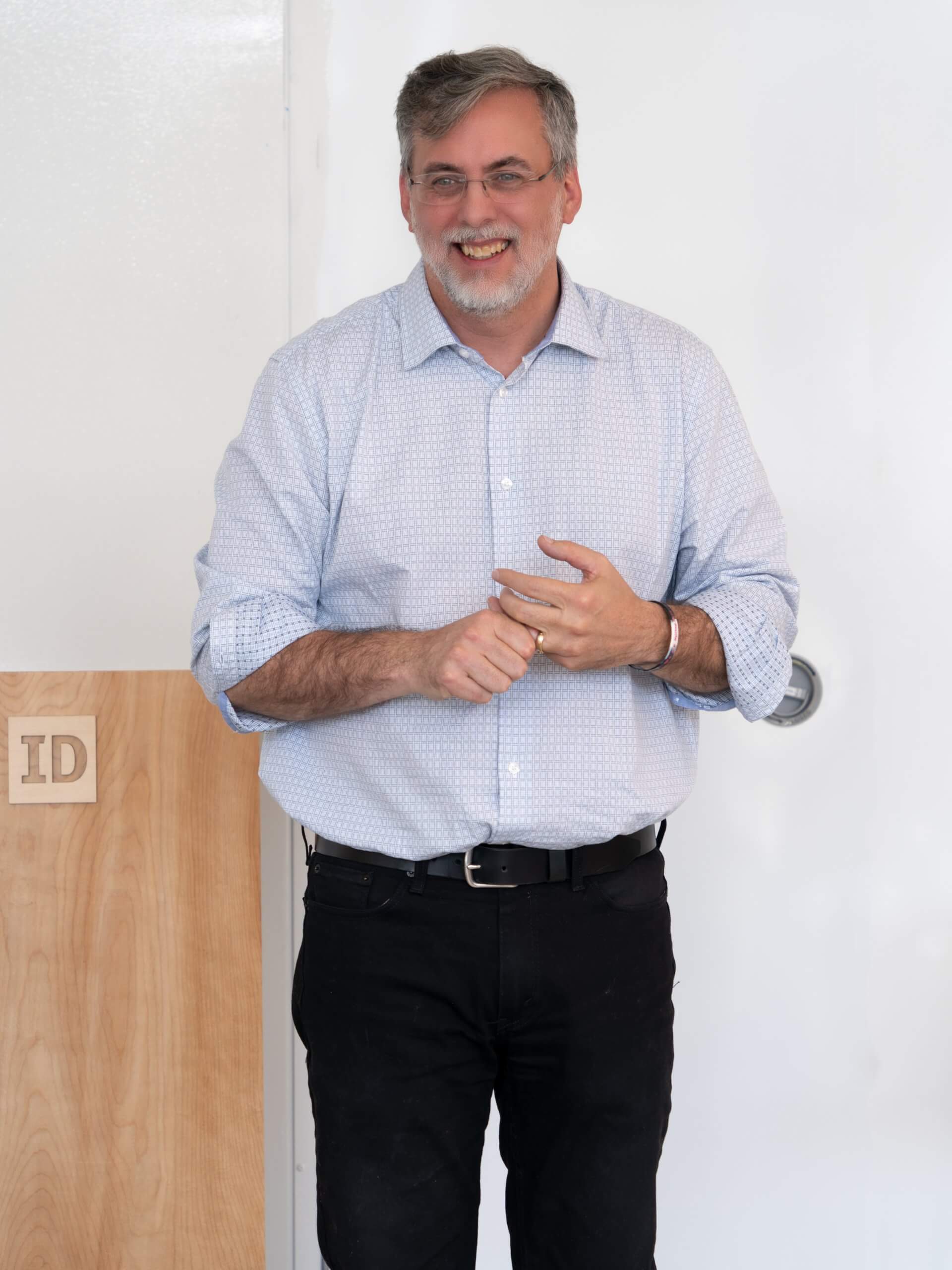
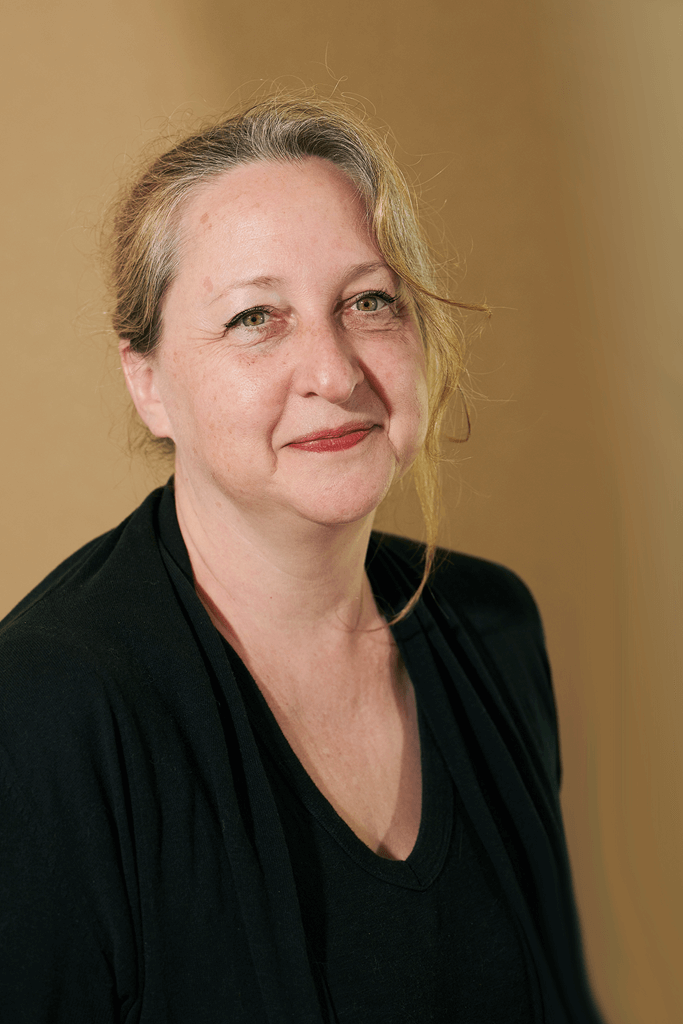
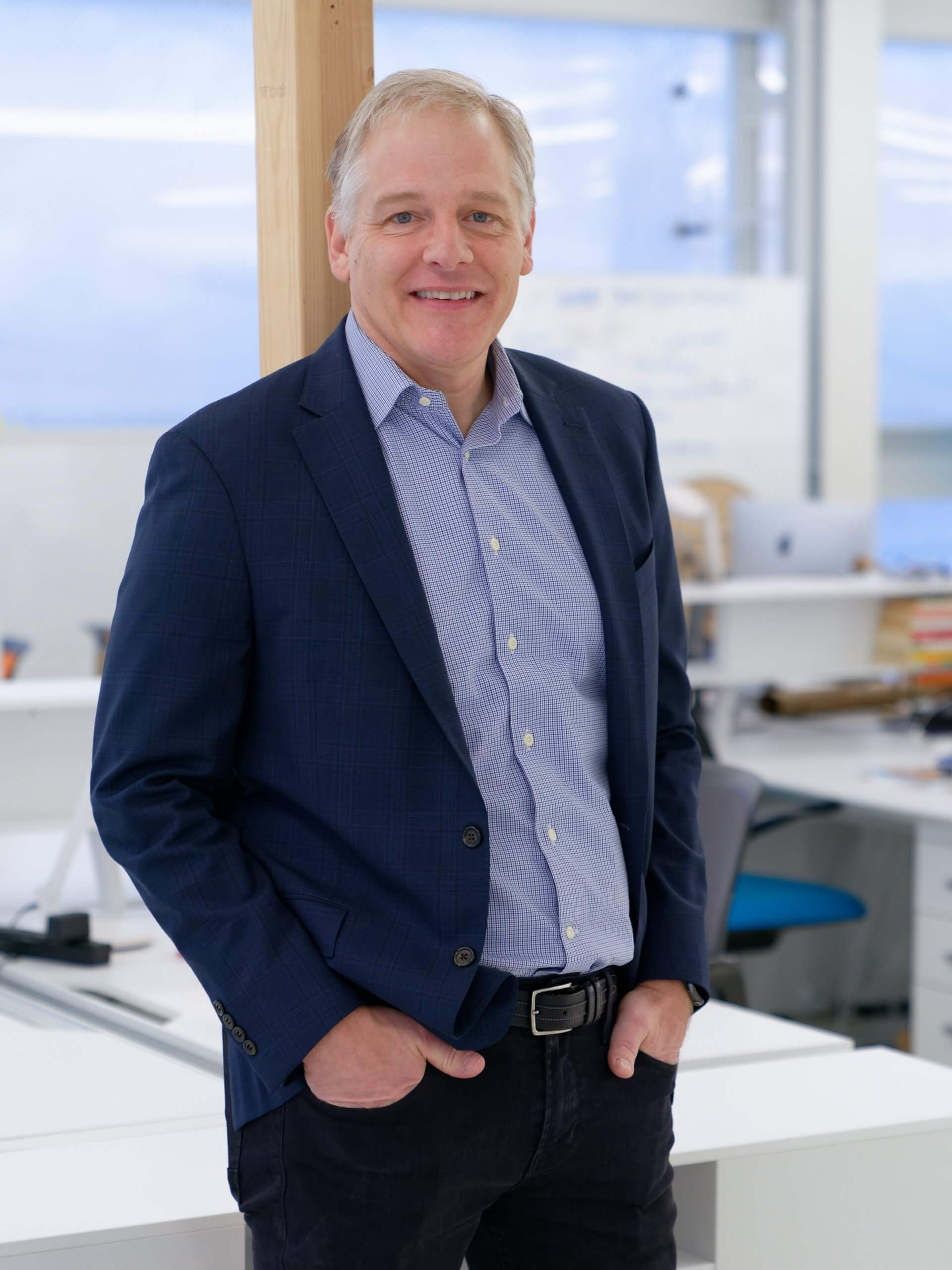
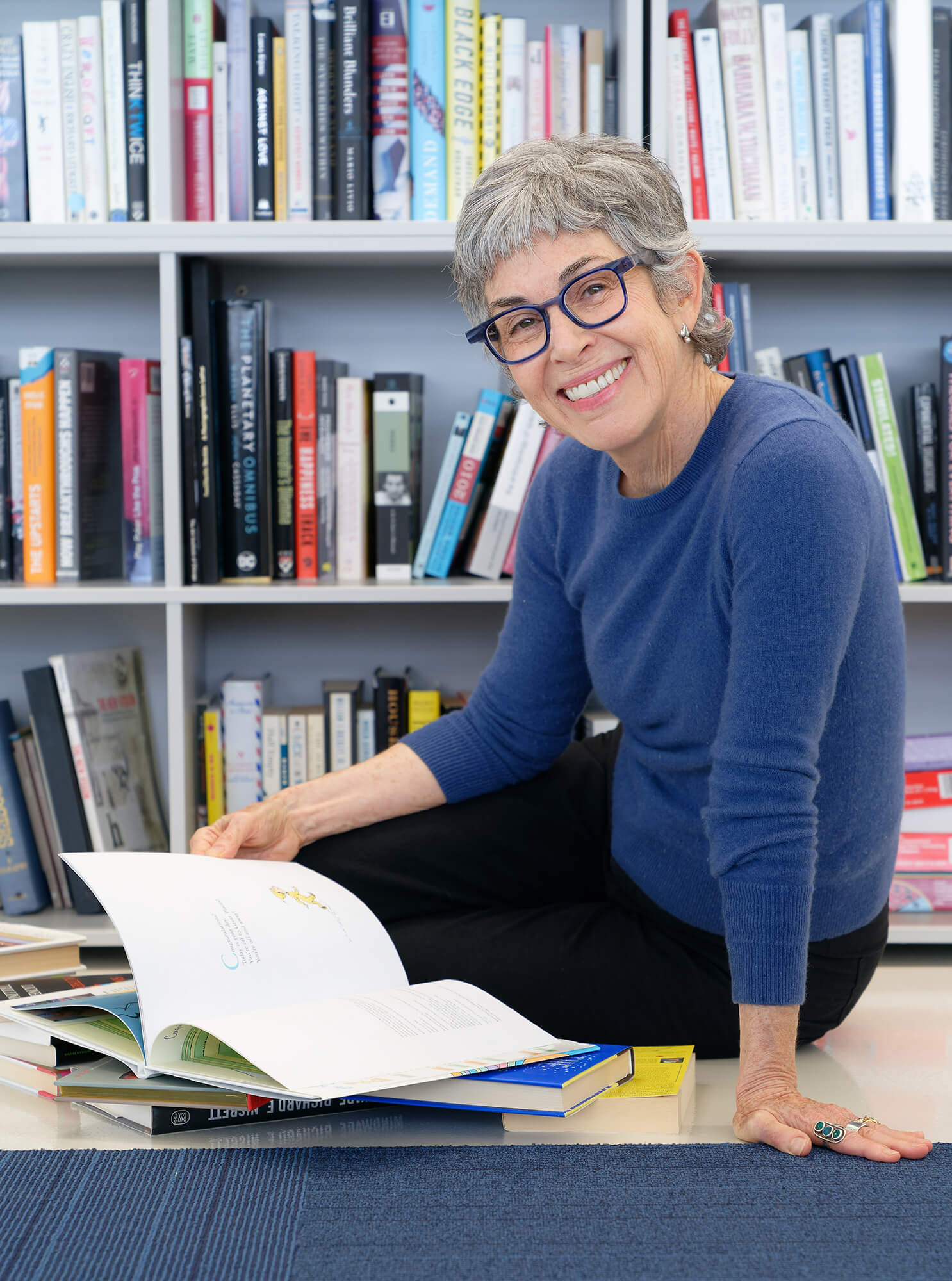
Full-time

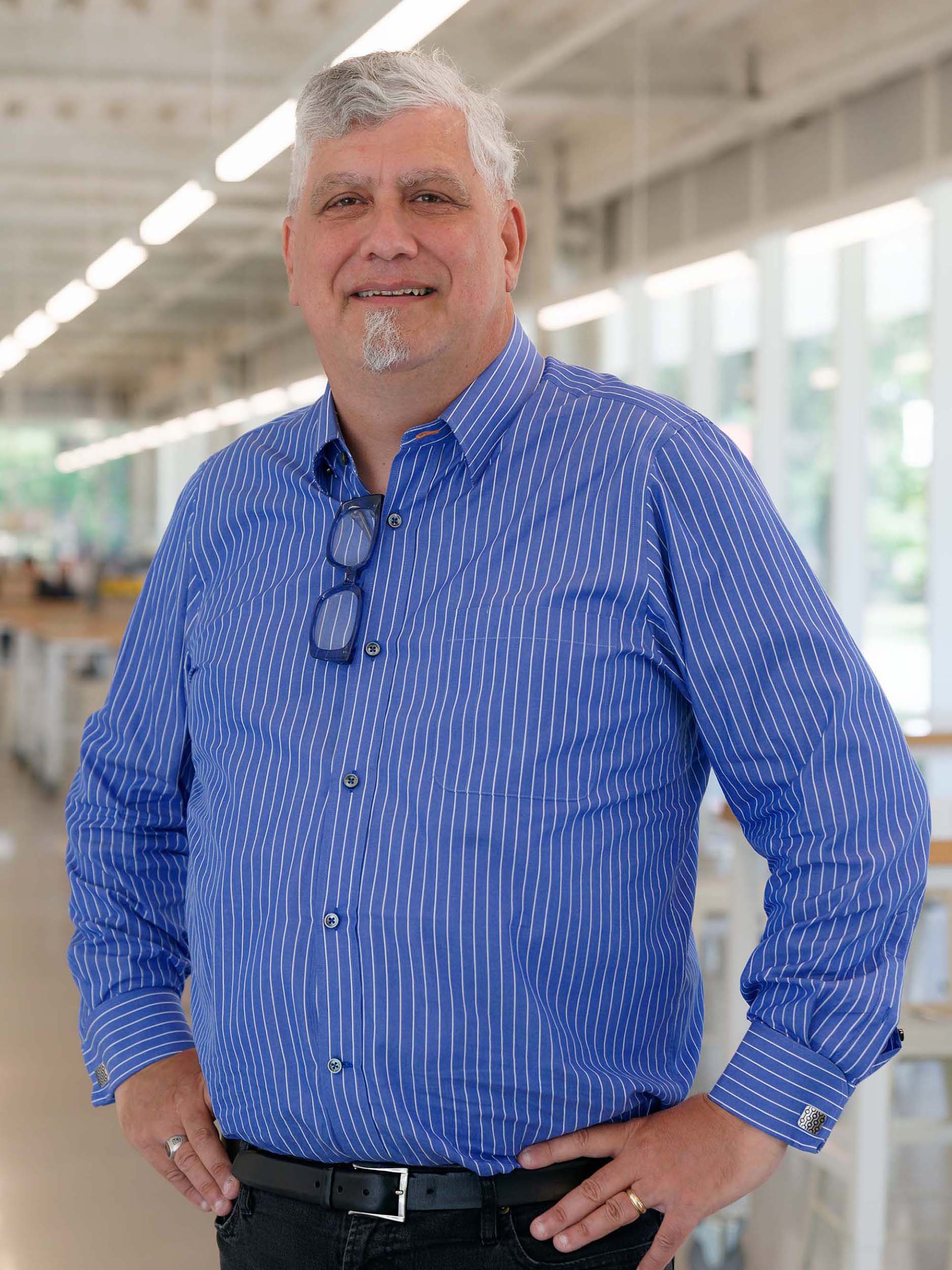
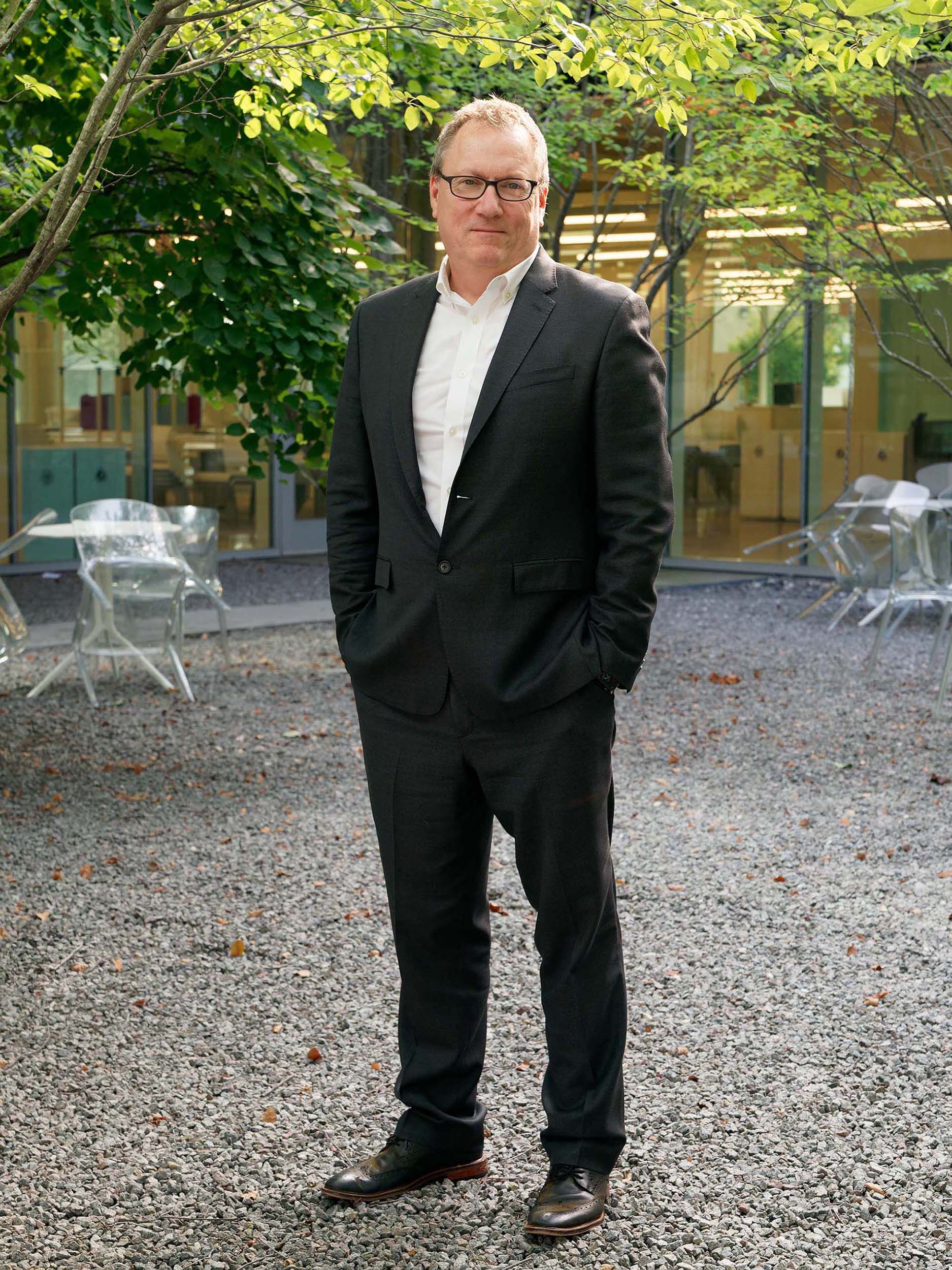
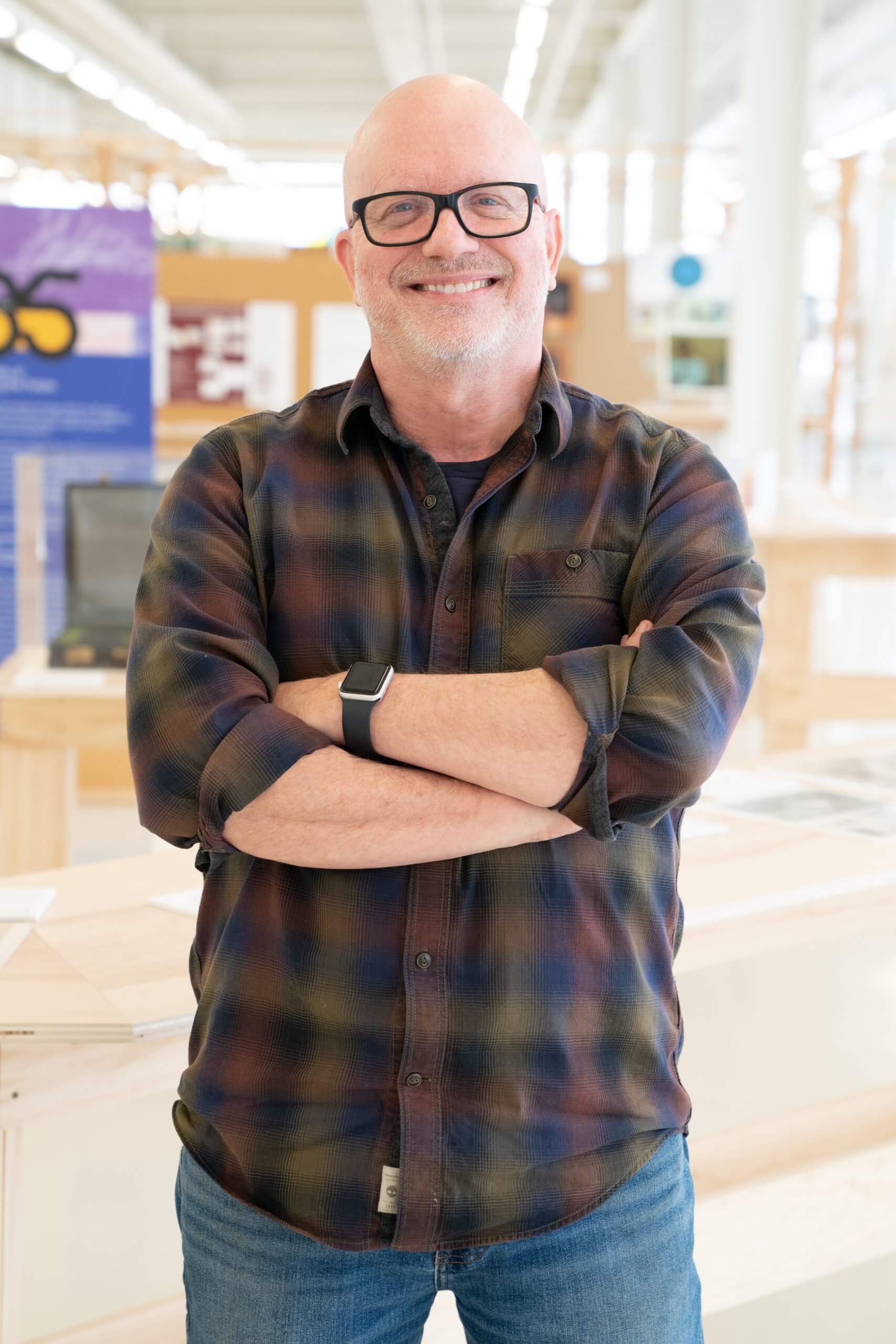
Jeremy Alexis

Jeremy Alexis is a senior lecturer and the assistant dean at the IIT Institute of Design. He holds both a Bachelor of Architecture and a Master of Design from the Illinois Institute of Technology. He currently teaches classes on economics and design, concept evaluation, design decision making, and problem framing.  Before joining the Institute of Design as a full-time faculty member, Jeremy worked for Doblin, gravitytank, and Archideas.  He has worked with clients such as Unilever, Motorola, Citibank, Pfizer, American Express, Target Corporation, and Zebra Technologies.

Courses taught in 2010-2011:
Analysis
Concept Evaluation
Decision Making
Problem Framing
Synthesis
Understanding Context

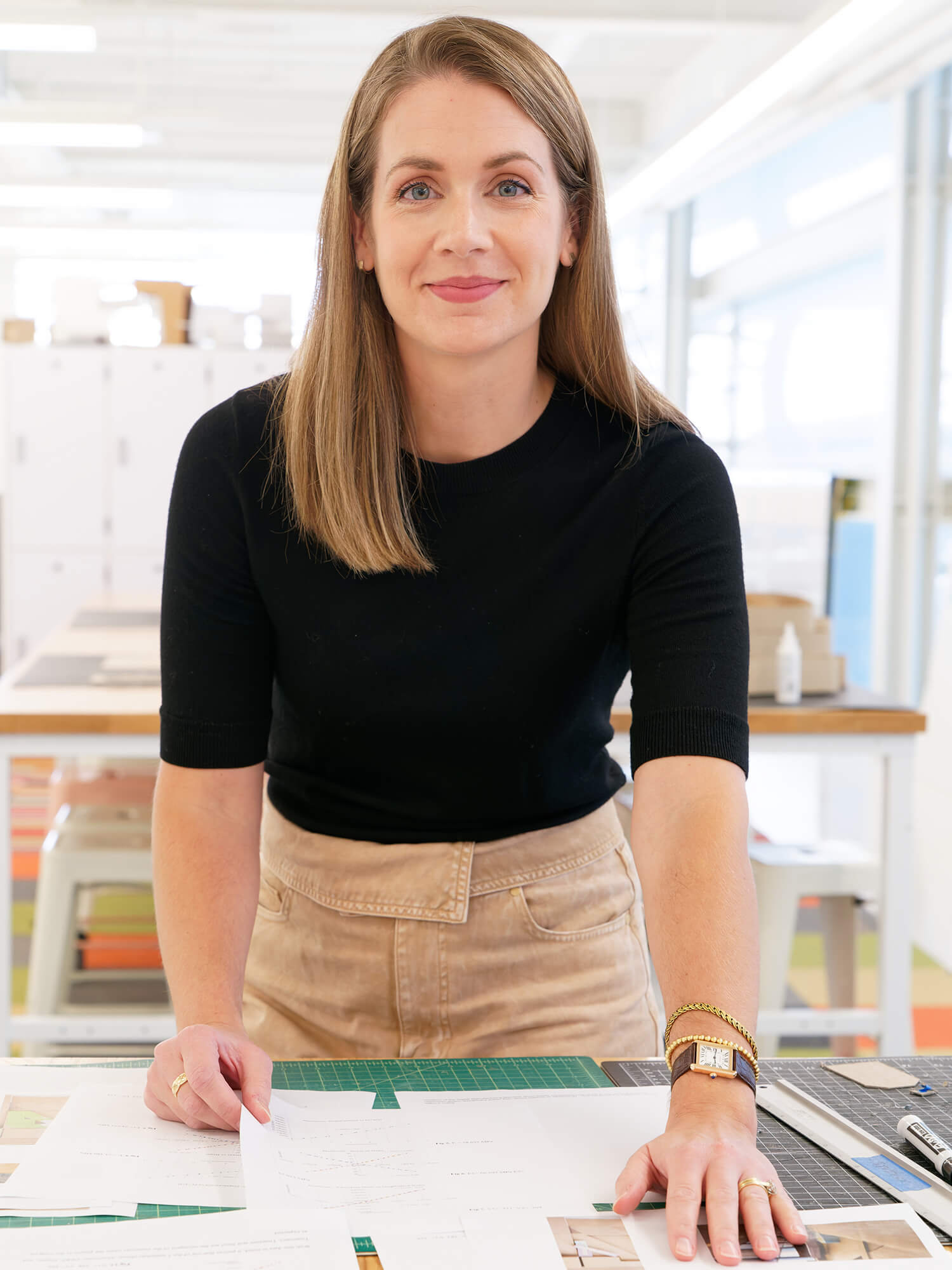
Laura Forlano

Laura Forlano is assistant professor of design at IIT Institute of Design.  From 2009-2011, she was a postdoctoral associate in the Interaction Design Lab in the Departments of Communication and Information Science at Cornell University.  Laura’s research is on the role of information technology in supporting open innovation networks in urban environments with a specific emphasis on the use of mobile, wireless, and ubiquitous computing technologies to support collaboration.  Her current project, “Design Collaborations as Sociotechnical Systems,” which is funded by the National Science Foundation, is an international comparative study that focuses on the role of technology in supporting networks of designers in New York, Barcelona and Brisbane.  Forlano received a 2011-2012 Fulbright grant to study social innovation networks in Toronto.  Her research has been funded by the National Science Foundation, the Social Science Research Council, Microsoft Research, the Urban Communication Foundation, and the American Council on Germany. She is co-editor with Marcus Foth, Christine Satchell, and Martin Gibbs of From Social Butterfly to Engaged Citizen: Urban Informatics, Social Media, Ubiquitous Computing, and Mobile Technology to Support Citizen Engagement, which is to be published by MIT Press in 2011. Her research and writing has been published in peer-reviewed journals including The Information Society, Journal of Community Informatics, IEEE Pervasive Computing, Design Issues, and Science and Public Policy. She has published chapters for books including editor Mark Shepard’s Sentient City: Ubiquitous Computing, Architecture, and the Future of Urban Space (MIT Press 2011) and The Architecture League of New York’s Situated Technologies pamphlet series and is a regular contributor to their Urban Omnibus blog. Laura received her Ph.D. in communications from Columbia University in 2008. Her dissertation, “When Code Meets Place: Collaboration and Innovation at WiFi Hotspots,” explores the intersection between organizations, technology (in particular, mobile and wireless technology) and the role of place in communication, collaboration and innovation.

Laura received a master’s in international affairs from Columbia University, a diploma in international relations from The Johns Hopkins University, and a bachelor’s in Asian studies from Skidmore College. She studied at Sophia University in Tokyo, Japan from 1993-4. Forlano speaks Japanese and has studied French, Spanish, Italian, and German. Laura’s blog can be found at http://www.lauraforlano.org.

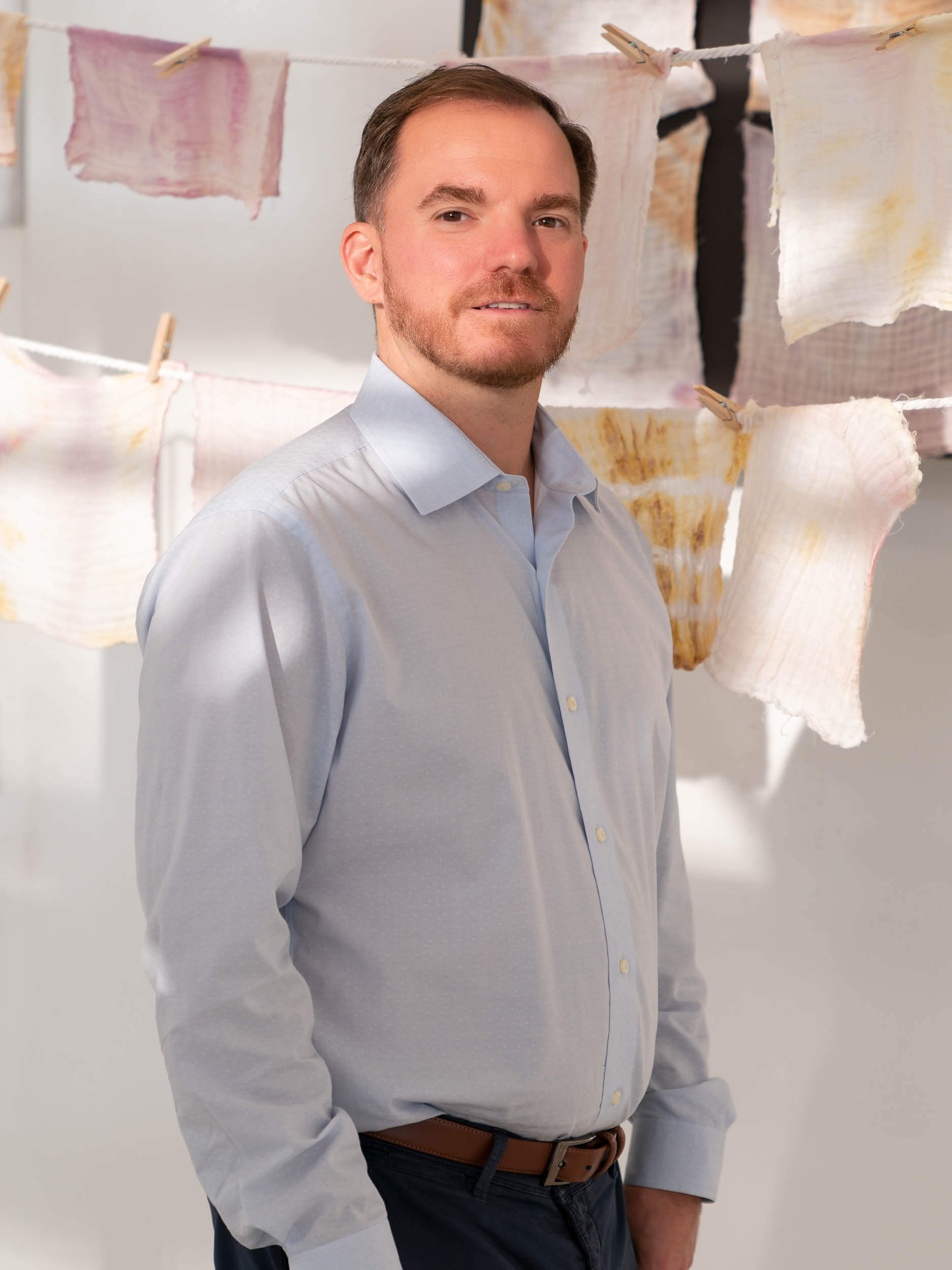
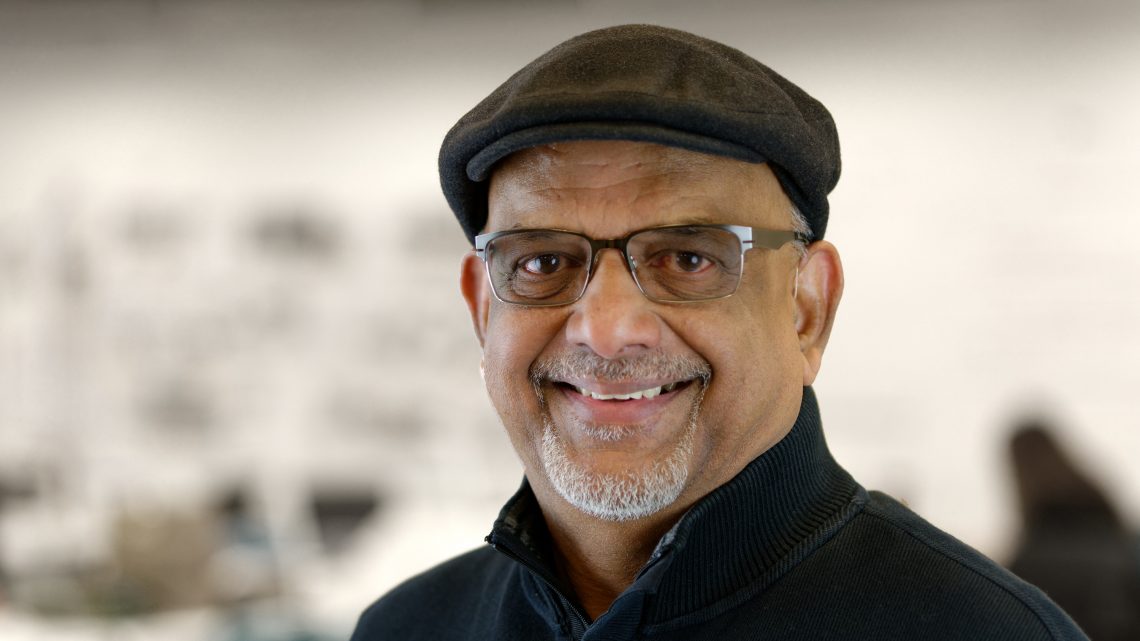
Vijay Kumar

Vijay Kumar leads the strategic design planning and the design methods programs at the IIT Institute of Design. He also leads his consulting firm based in Chicago. He was the chief methodologist at Doblin Inc., a strategic innovation planning consulting firm based in Chicago, for more than 12 years.

With over 27 years of global work experience, Kumar has taught, published, and lectured throughout the world about how to use structured methods, tools, and frameworks for conceiving reliable human-centered innovations and turning them into strategic plans for organizations. His research is focused on framing emerging innovation opportunities in education, health care, communication, retail, social reform, and emerging markets, among others.

He is the inventor of many methods, tools, and frameworks designed to uncover unexplored innovation opportunities. Students, researchers, consultants, and business executives around the world have been successfully using some of his tools, such as Analysis and Transformations (A&T), Insight Matrix, and Innovation Landscape, for many years.

He consults with companies and organizations around the world for planning innovations using systemic, structured, and user-centered methods. He has consulted with Alamo, Amoco, Autodesk, Bose, Hallmark, Kraft Foods, Lenscrafters, McDonald’s, Motorola, Pfizer, Procter & Gamble, Shell, SAS Airlines, Steelcase, Target, Texas Instruments, T-Mobile, and Wells Fargo.

Kumar is a frequent speaker and is widely published on the topic of innovation. His recent speaking engagements include the Design Thinking Summit 2010 in Singapore, the 2010 AllWorld Summit – Expanding the Global Economy at Harvard University, and the Institute of Design Strategy Conference in Chicago. He also regularly conducts executive workshops for organizations in Asia, Europe, North America, and South America.

Courses taught in 2010-2011:
Design Analysis
Design Synthesis
Planning Research Workshop
Planning Workshop

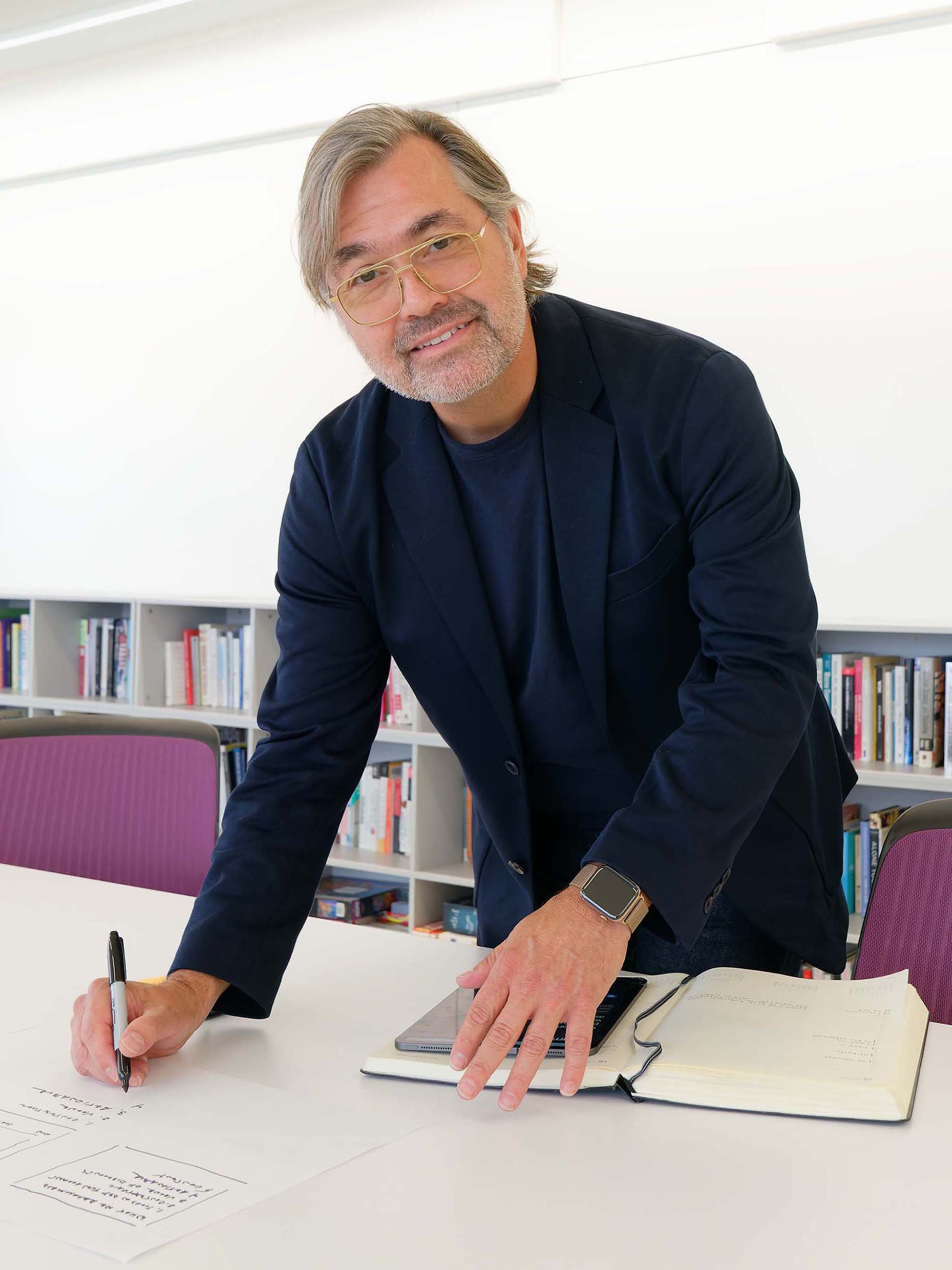
Anijo Punnen Mathew

Anijo Mathew is an assistant professor at IIT Institute of Design in Chicago. Anijo’s research interests include interactive (computer-mediated) spaces, immersive/responsive environments, environmental behavior, and prototyping at the fuzzy front end of the design process. After earning a BArch from Birla Institute of Technology, Mesra, Ranchi (India), he went on to complete an MDesS from Harvard University’s Graduate School of Design. Prior to joining ID, he was a tenure track assistant professor at Mississippi State University’s College of Architecture, Art, and Design (CAAD) where he taught in the graduate program and led the interaction design track at the Design Research and Informatics Lab (DRIL). He is currently working on a PhD exploring the intersection of computing and design with Yvonne Rogers and Peter Lloyd at the Open University in the U.K.

His research falls within two broad categories - one a scholarship of pedagogy: looking at various methods and design mechanisms for the process of design including prototyping in the early stages of design, and the other a scholarship of research: evaluating new semantic appropriations of architecture (place) as enabled by new technologies. At ID he teaches interaction design and communication design workshops in addition to several IxD and communication related courses. Student projects from his workshops have been installed on Chicago's State Street, published in international conferences such as IASDR, CHI, ACADIA, and DCA, and recognized by IxDA and IDEO.

In 2007 the Architectural Research Centers Consortium (ARCC) selected him as their New Researcher of the Year for 2006-07. His work has been published in conferences such as ACADIA, CHI, CSCW, Creativity and Cognition, and ARCC, among others. His research work has led to experience design for Chicago events such as Art Loop Open, placemaking on State Street, and recognized by PSFK. He has served as a design chair for CHI 2009 and 2010, the premier conference of the Association for Computing Machinery (ACM)'s Special Interest Group on Computer Human Interaction (SIGCHI). He currently serves on the board of directors of the Association of Computing Aided Design in Architecture (ACADIA), the Digital Task Force of the Chicago Architecture Foundation (CAF), and he is a member of the Placemaking Advisory Board of the Chicago Loop Alliance. He has worked with and/or conducted research in the area of technology and place with the Chicago Tribune, Broadway in Chicago, Chicago Loop Alliance, Gensler, Motorola Mobility, Chicago Artists Coalition, and the Chicago Architecture Foundation.

You can visit his personal website as well as d ownload his current CV.

Courses taught in 2010-2011:
Communication Workshop
Interaction Research Workshop
Prototyping Interactions
Prototyping Methods
Ubiquitous Computing

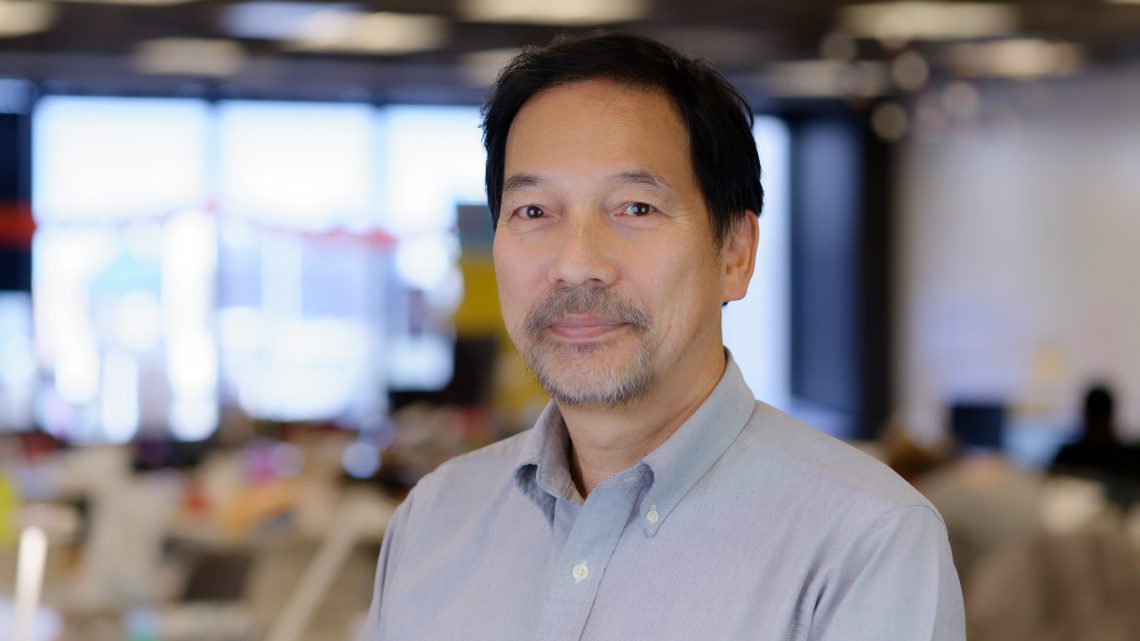
Stan Ruecker

Stan Ruecker is an associate professor with current research interests in the areas of humanities visualization, the future of reading, and information design. He comes to ID from the University of Alberta’s interdisciplinary humanities computing program where he was also an associate professor, supervising graduate students and leading seminars on experimental interface design, knowledge management and analysis, research methods, interdisciplinary research project management, and critical discourse analysis. His students have gone on to work with major research and development projects in fields ranging from medical imaging to oilfield decision support.

He is a major grant holder, and his research teams have presented their findings at over one hundred international conferences in design, computing science, educational technology, literature, communication technology, library and information studies, and humanities computing. He was the principal investigator of the SSHRC SRG Humanities Visualization team, and he currently leads the interface design unit of the SSHRC MCRI Implementing New Knowledge Environments (INKE) project.

His work to date has focused on developing prototypes to support the hermeneutic or interpretive process, and he has published extensively on interdisciplinary project management, text encoding theory, affective design, interaction histories, electronic books, information design, issue crawling, and experimental interface design. His book Visual Interface Design for Digital Cultural Heritage, co-authored by Milena Radzikowska and Stéfan Sinclair, was released in 2011 by Ashgate Press.

Stan holds an interdisciplinary PhD in humanities computing from University of Alberta, an MDes from the same, an MA in English literature from University of Toronto, and advanced undergraduate degrees in English literature and computer science from University of Regina. He is an adjunct professor at the University of Alberta’s School of Library and Information Studies and in the University of Victoria’s Humanities Division.

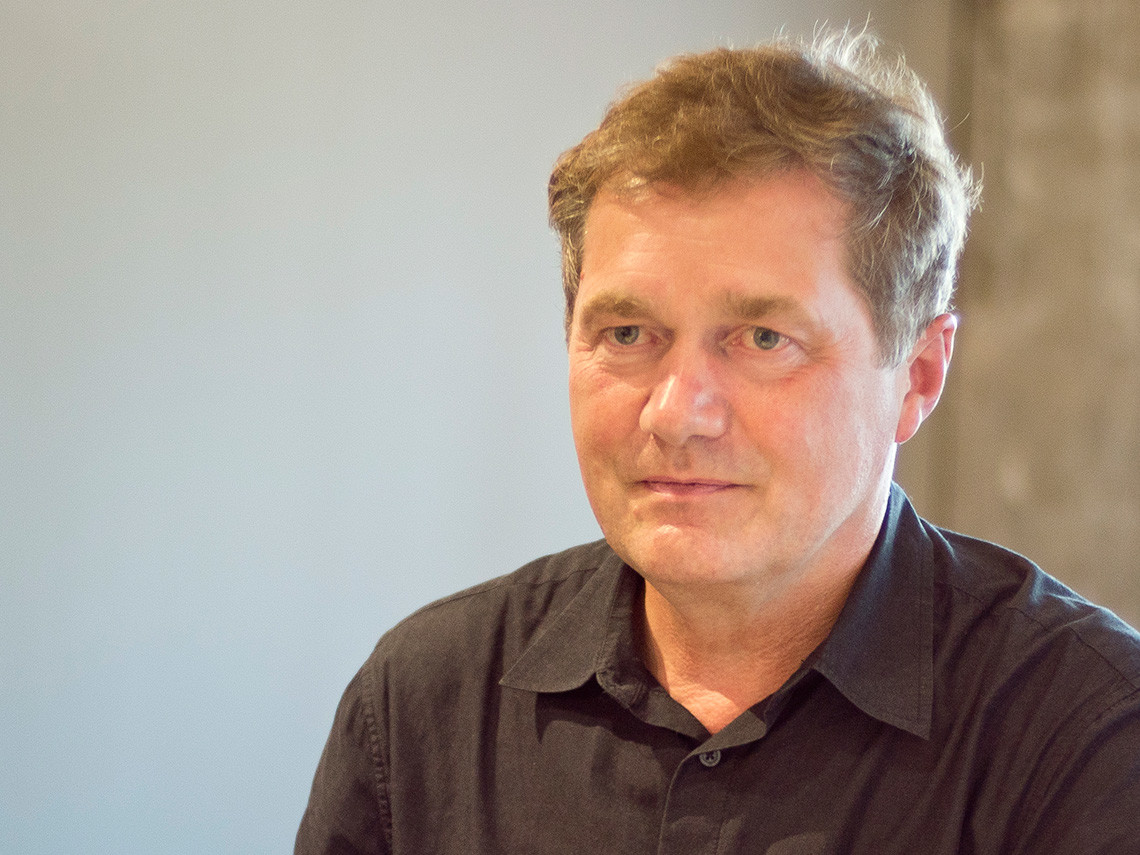
Martin Thaler

Martin Thaler is a visiting associate professor at the IIT Institute of Design.  He holds a Master of Fine Arts from the Royal College of Art and a Bachelor of Fine Arts from the Rhode Island School of Design.  For the past 12 years he has led multidisciplinary teams at the IDEO Chicago office for companies in the consumer electronics, medical, and furniture industries.

His work for clients including Motorola, Lilly, Steelcase, Baxter, DaimlerChrysler, Gateway, McDonald’s, and Nanosphere have resulted in designs that successfully blend user, technology, and business needs.  Prior to joining IDEO in 1985, he co-founded the award-winning consulting firm Design Logic in Chicago.  His clients included Bang & Olufsen, Dictaphone, and View-Mater.  Martin’s work has been exhibited and been published in books and periodicals including ID, Blueprint, Casa Vogue, and Time.

Martin has taught product design and environmental design as an ID adjunct faculty member over the past 16 years.  He is keenly interested in the fundamentals of design.  Martin is committed to providing students with real-world opportunities in hospitals, schools, businesses, and other institutions from which they can experience how design can make a difference in people’s lives.

Courses taught in 2010-2011:
Graduate Introduction to Product Design
Product Design Workshop
Prototyping Methods
Prototyping Products

Kim Erwin

Kim Erwin is an assistant professor at IIT Institute of Design, with research interests in making complex qualitative data easier to understand and use. In online environments, she investigates the application of principles of cognition, visual representation, and communication theory to the analysis of large qualitative data sets. In offline environments, she explores new methods to help practitioners "communicate the new." This area of research focuses on moving from static presentations—the dominant paradigm in industry—to data experiences designed to diffuse and build critical knowledge inside an organization.

Current investigations focus on the application of visualization techniques to large qualitative data sets—Visual Google is an active project seeking to transform linear, text-based search results using new, dynamic visual environments to increase the number of results accessible by end-users. Thinking With Our Eyes is an initiative to build analytic tools for designers that leverage the brain’s natural aptitude for processing visual information at much faster rates than processing text-based information. These analytic tools offer rich, visual environments that make the analytic processes simpler, the results more self-evident, and the progression more sharable with others on the team.

Kim has been a member of the school’s faculty since 2006, having graduating from the program in 1994 with an MDes. In her eighteen years of practice, Kim has specialized in the communication and application of strategic user research, first with innovation planning firm Doblin and then as an independent consultant. Applications include technology planning and new product development  (Motorola, Texas Instruments, Allstate Financial) as well as brand and new business development (Purina, Arm & Hammer, Schick). At ID, she teaches classes in communication strategy, theory and practice; metaphor as communication method; visual mapping of information; and other classes designed to help students connect classic principles of information design to the new information environment of random-access, non-linear information experiences.

Courses taught in 2011-2012:
Metaphor & analogy in design
Online research methods for design
Role of communication in the design process
Theories of communication
Visual analysis of large qualitative data


Tomoko Ichikawa

Since 1992, Tomoko Ichikawa has been teaching at the Institute of Design as an adjunct faculty member, primarily to introduce the foundation students to the field of communication Ddsign.  She began a full-time position as visiting assistant professor in the fall of 2010, allowing her to expand her teaching to other areas of visual communication, including diagram development and the new core design communication class required by all first-year main program students.

Given her background in interpersonal and intercultural communication along with an initial interest in becoming a simultaneous translator, her focus is on creating communications that is content-driven by giving form in an appropriate context-sensitive way. Recent workshop classes reflect this theme by challenging students to take complex information and tell stories through different formats. Future research plans include exploring ways to make “big-story” diagrams actually work and understanding the basic nature of what makes information complex.

Courses taught in 2010-2011:
Communication
Communication Design Workshop
Diagram Development
Graduate Introduction to Communication Design

Tom MacTavish

Tom MacTavish is an assistant professor at the IIT Institute of Design and teaches courses related to interaction design history, theory, and practice. He holds master’s degrees in library and information science from University of Michigan and in English from University of Iowa, with a bachelor’s degree in English from Central Michigan University. For nine years before coming to ID, he directed Motorola Labs’ Center for Human Interaction Research with research laboratories in Phoenix (AZ), Schaumburg (IL), and Shanghai (China). In prior years, he led the Human Interface Technology Center based in Atlanta (GA) for NCR Corporation and served as director of engineering for NCR’s wireless communications and networking engineering group in Utrecht, The Netherlands.

As a member of the human/computer interaction research community, Tom has participated in the full range of product conceptualization and development phases including strategy formulation, user and technology research, concept development, and product implementation. These activities resulted in delivered projects and products using many methods and technologies including recognition technologies (handwriting, speech, and image), interaction technologies (synthetic speech, multimodal interaction, and context aware systems) and experience design and prototyping (design research, user centered design, usability evaluations, and rapid prototyping).

Tom has maintained strong ties to university research throughout his career and has served as corporate liaison and advisor to The Georgia Institute of Technology, Massachusetts Institute of Technology, Stanford, and The Korean Advanced Institute for Science and Technology. 

Courses taught in 2010-2011:
History of Interaction Design
Interactive Media Seminar
Interactive Media Workshop
Interaction Research Workshop
MDM Seminar
Observing Users

Matt Mayfield

Matt Mayfield has worked for 20 years among the domains of business strategy, design, and customer insight, identifying opportunities for compelling new products and services.
As a consultant, developer, and educator, he has explored several industries including wireless communication, medical products, housewares, consumer electronics, fast food, and air travel. Through an emphasis on multidisciplinary insight, repeatable processes, and a bias towards action, Matt is passionate about making sense of market spaces and helping organizations envision and evaluate potential futures for themselves.

Matt is currently a visiting associate professor at the Illinois Institute of Technology, Institute of Design. He is teaching classes this year focusing on product and portfolio planning, contextual design research, and computer-based design methodologies. His long-term research interests revolve around understanding the impact of computing technologies on decision making for design and business.

Courses taught in 2010-2011:
Advanced Portfolio Planning
Computer Supported Design
Product Planning
Understanding Context

Keiichi Sato

Keiichi Sato is the Charles Owen Professor and co-coordinator of the PhD program at the IIT Institute of Design.  He teaches graduate courses in design theory and methodology, product and system architecture, human-centered system integration, and interactive systems design.

His research focuses on the creation of theories, methods, and tools that facilitate the development of interactive products, systems, and services with convivial qualities as well as effective performance. His current research interests are general design theory/methodology, design knowledge representation and management, interactive systems design and evaluation methods, and human-centered system architecture and integration. His recent projects include advanced technology application to health care and elderly care environments, systems concepts for the next-generation automobile cockpit, and context-sensitive system design methodology.

He has published over 70 papers and articles as well as several book sections and chapters. He has received many awards for his academic and professional work including Best Paper Award at ASME Design Engineering Technical Conferences, Best Paper Award at IEEE International Workshop on Robotics and Human Interactive Communications, Design Innovationen at Haus Industrieform Essen, and Best Paper Award at ACM-IEEE Design Automation Conference. His students’ design projects also have won many awards. He has been a reviewer for journals and conferences, an editor for special issues of journals, and an editorial board member for the International Journal of Design.

He is a Fellow of Design Research Society (UK) and a member of IEEE, ACM, ASME, Design Society, and Japanese Society for Science of Design. He has been a visiting professor at Darmstadt University of Technology and at the department of design science at Musashino University of Fine Arts. He has also taught at the department of architecture and design of Kyoto Institute of Technology and the department of management engineering of Osaka Institute of Technology. He holds an MS in product design and a BS and MS in engineering.

Courses taught in 2010-2011:
Design Process and Knowledge
Human-Centered System Integration
Interaction Design Methods
Interactive Systems Design Workshop
PhD Research and Thesis
Product Architecture and Platform

Patrick Whitney

Patrick Whitney is the dean of the Institute of Design, Illinois Institute of Technology, and is the Steelcase/Robert C. Pew Professor of Design.

Professor Whitney has published and lectured throughout the world about ways of making technological innovations more humane, the link between design and business strategy, and methods of designing interactive communications and products. His writing is generally about new frameworks of design that respond to three transformations: linking insights about user experience to business strategy, the shift from mass-production to flexible production, and the shift from national markets to markets that are both global and “markets of one.”

BusinessWeek has profiled Whitney as a “design visionary” for bringing together design and business, Forbes named him as one of six members of the “E-Gang” for his work in human-centered design, Fast Company has identified him as a “master of design” for linking the creation of user value and economic value, and Global Entrepreneur named him one of the 25 people world-wide doing the most to bring new ideas to business in China.

He is the principal investigator of several research projects at the Institute of Design, including Global Companies in Local Markets, Design for the Base of the Pyramid, and Schools in the Digital Age. His recent work has been supported by several grants, including funding from the John D. and Catherine T. MacArthur Foundation, SC Johnson, the Steelcase Foundation, and numerous corporations.

He is a trustee of the Global Heritage Fund, which supports restoration of heritage sites and local communities in the developing world.

Courses taught in 2010-2011:
Strategic Design Research

Part-time

* ID alumnus

John Cain, Iota *
Theory and Foundation of Human-Centered Design

Lyman Casey, Centralis
Usability Methods

Erik Crimmin, Doblin Inc. *
Planning Workshop

Kevin Denney, IIT Institute of Design *
Strategic Design Research

Eric Diamond, IIT Institute of Design *
Graduate Introduction to Design

Jeremy Dumm, Vessel Ideation *
Graduate Introduction to Product Design

Megan Fath, Conifer Research *
User Storytelling

Ron Gordon, IIT
Introduction to and Advanced Concepts in Architectural Photography

Eric Holubow, Leo Burnett/Arc Worldwide *
Graduate Introduction to Photography

Ben Jacobson, Conifer Research
Observing Users

Sung Jang, IIT Institute of Design
Digital Media

Stokes Jones, Lodestar
Ethnographic Interviewing

Kathi Kaiser, Centralis
Usability Methods

Larry Keeley, Doblin Inc.
Design Planning
Platform Strategy

Edwin Lee, gravitytank *
Data Visualization

Yi Leng Lee *
Planning Workshop


Brian Maggi
Digital Development

Jeffrey Mau, Sapient *
Analysis

David McGaw, Doblin Inc. *
Fostering Creativity
Managing Effectively

Tom Mulhern, Gensler
Engaging Stakeholders in Design

Yadira Ornelas, IIT Institute of Design
Cultural Probes
Observing Users

Zachary Paradis, Sapient *
Managing Complexity

John Pipino, Doblin Inc.
Systems Workshop

Juan Salamanca, IIT Institute of Design
Advanced Digital Development

Ruth Schmidt, Doblin Inc. *
Design Communication 2
Graduate Introduction to Communication Design

Dave Sonders, gravitytank *
New Product Definition

Jihyun Sun, IIT Institute of Design
Information and Interface Architecture

Bill Verplank, Stanford University
Physical Human Factors

Denis Weil, McDonald’s Corporation *
Branding Services

Peter Zapf *
Synthesis

Robert Zolna, gravitytank *
Design Workshop: Data Visualization